



Bur Oak, Blue Oak, Mossycup Oak
Quercus macrocarpa
Description
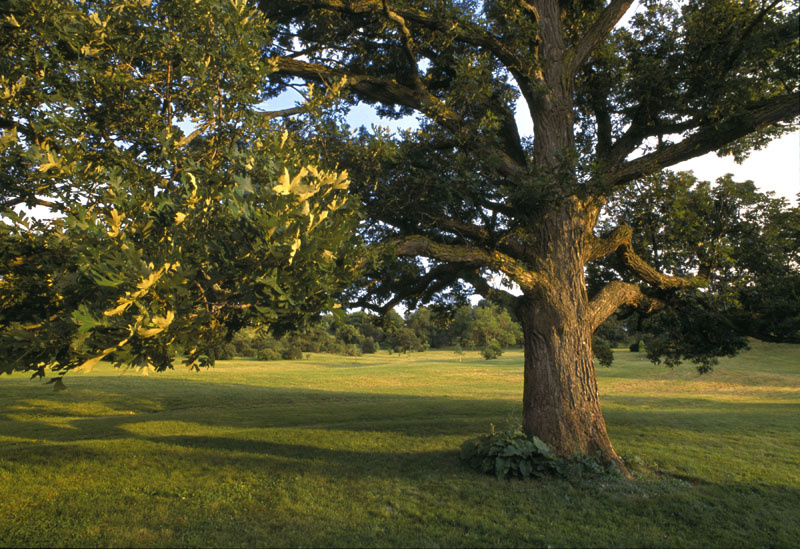
Quercus macrocarpa, or bur oak, is native to temperate eastern North America with a native range in eastern and southern Ontario, along the southern portion of northwestern Ontario, and infrequently in the southern Algoma District. This species is best grown in full sun and well-drained soils, preferring moist loams, but is adaptable to various soil conditions including heavy clays and urban soils. It has excellent drought tolerance and is a long-lived, low-maintenance tree, though it may take up to 35 years to produce its first crop of acorns. It thrives in full sun and well-drained soil, making it an ideal choice for shade and specimen plantings. Pruning during the dormant season helps avoid attracting beetles that spread oak wilt. Quercus macrocarpa drops large acorns and a substantial number of leaves, with the heaviest shedding in the fall. It is considered moderately messy due to the large acorn litter and abundant leaf drop that require regular cleanup.
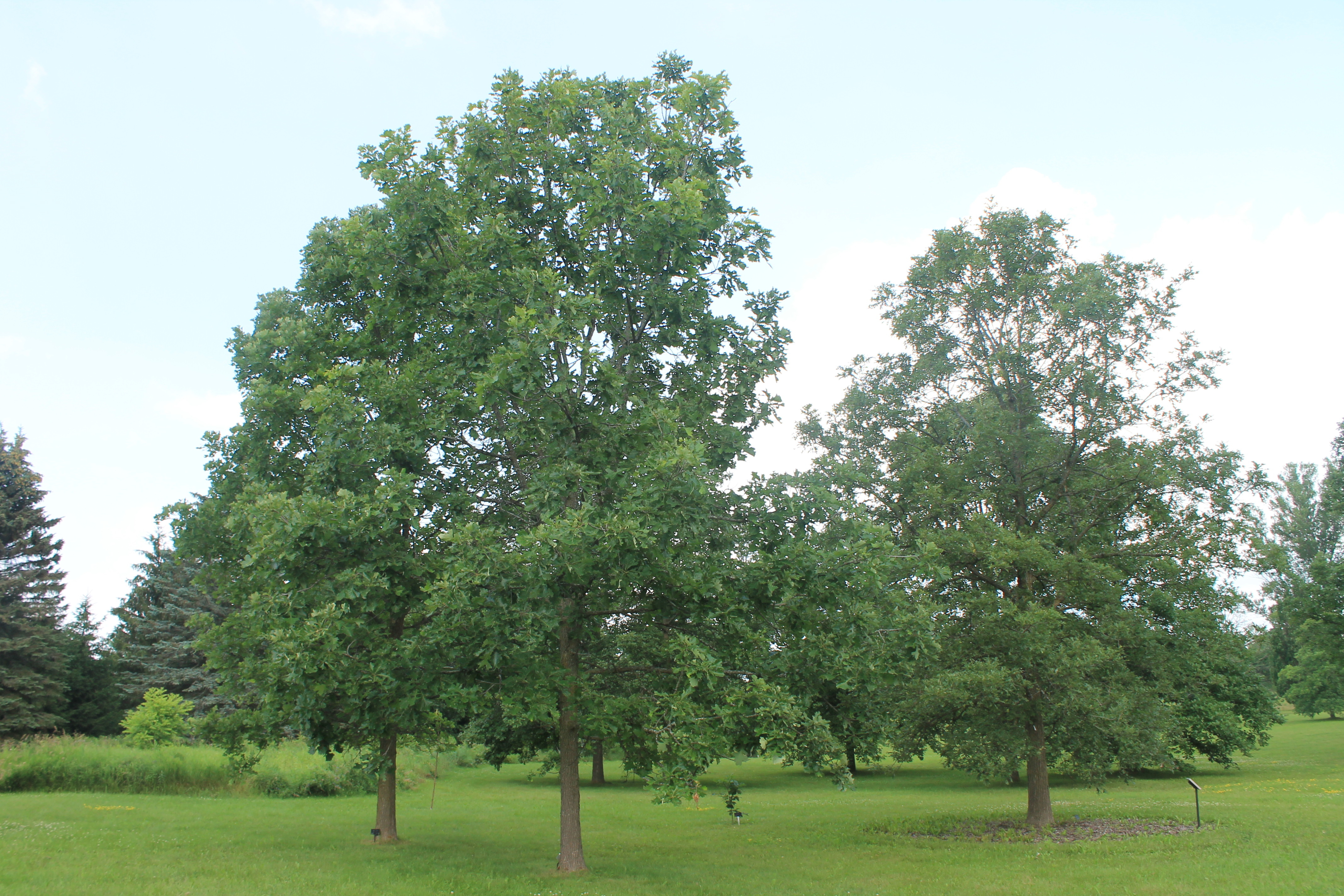
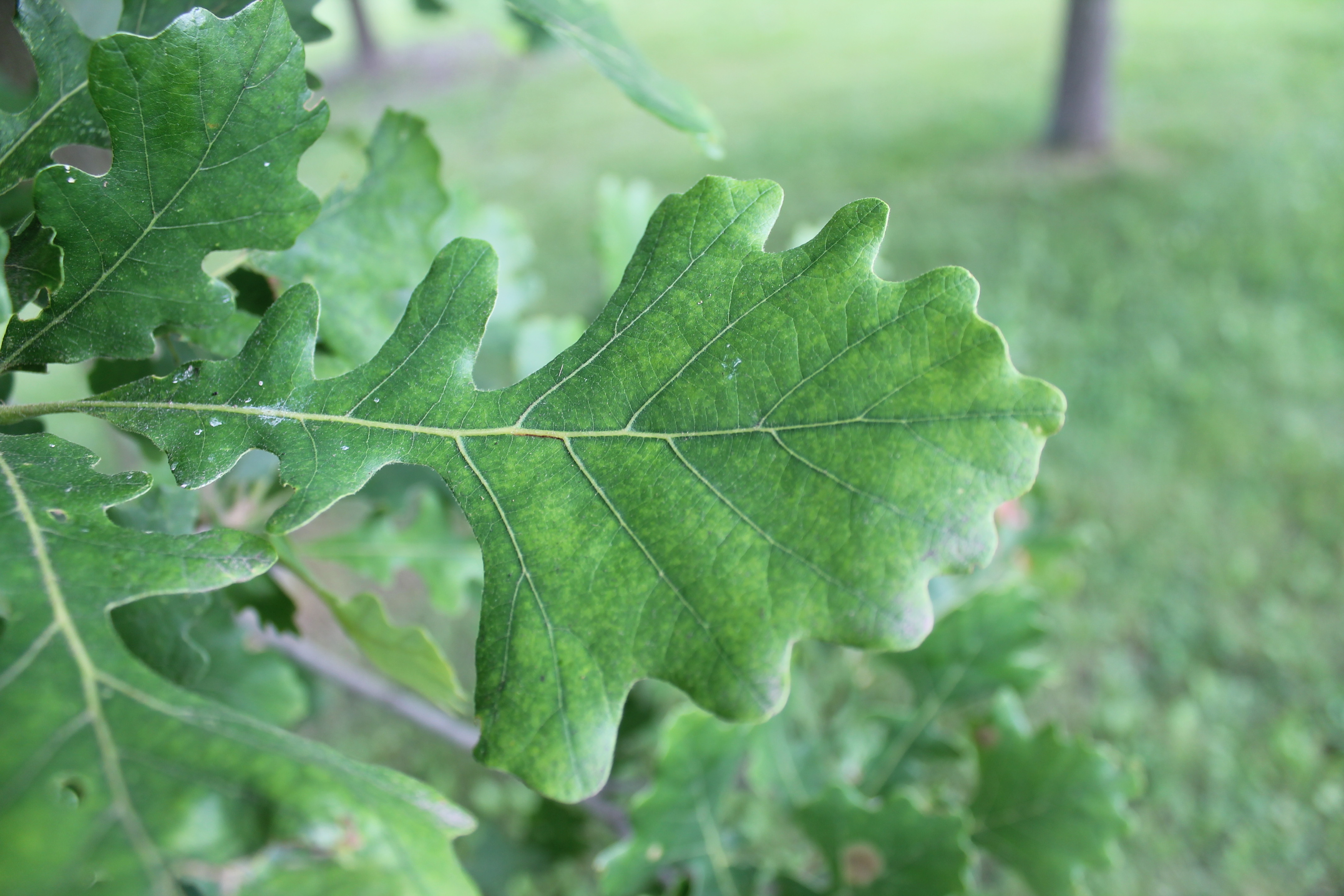
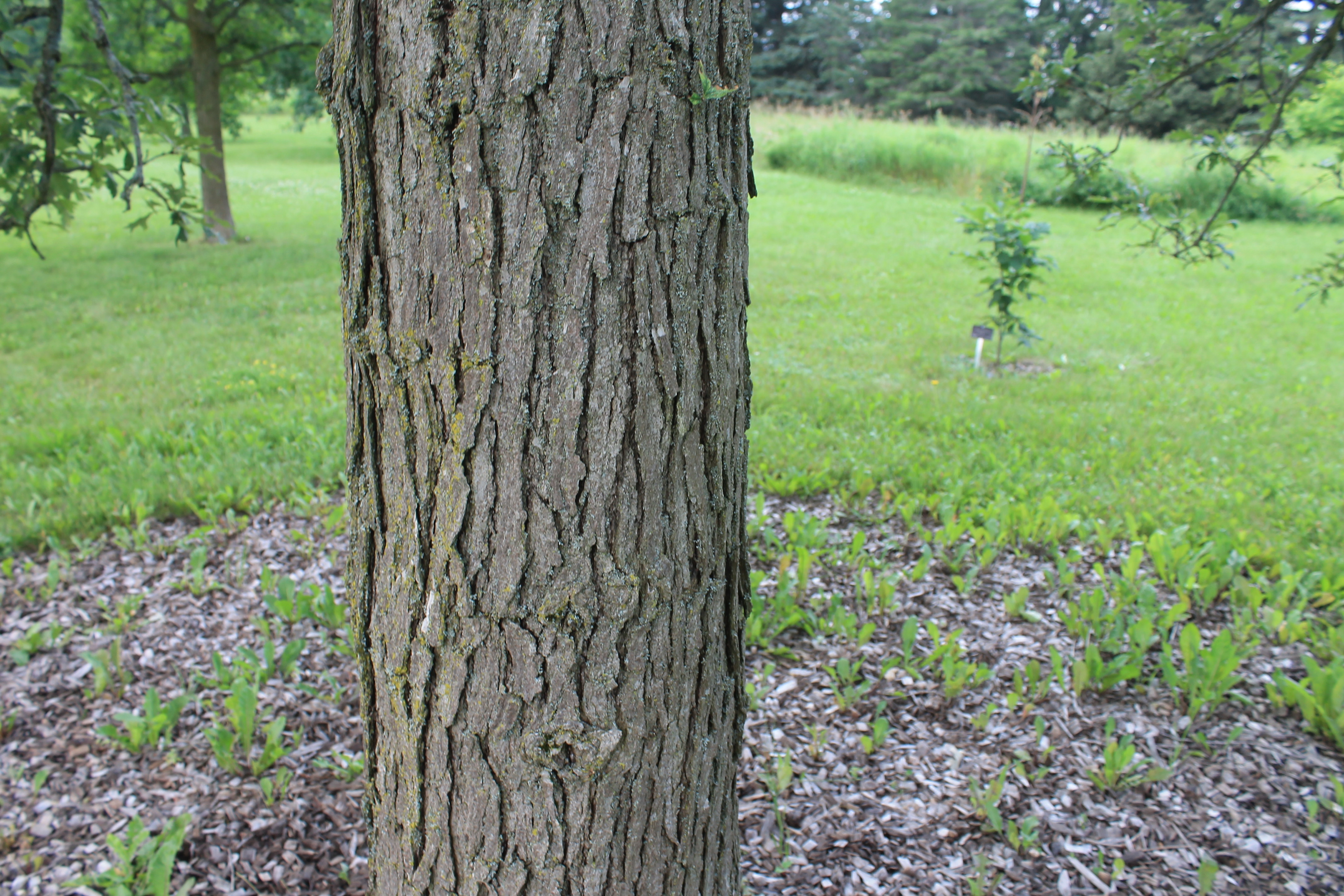
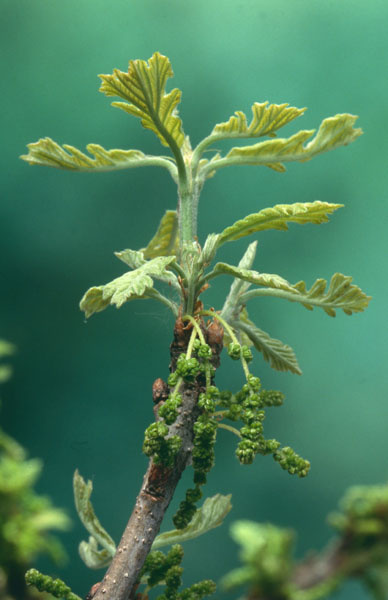
Planting Site and Native Range
Planting Site
Naturalization, Parks, Highway, Residential, Wide Median
Tree Characteristics
Growth Rate
Slow (less than 30cm per year)
Width
18 - 27m
Height
18 - 24m
Soil Quantity
>30 m3
Leaves
Deciduous
Insects and Diseases
Insects and Diseases
No serious or common issues in the urban environment. Wide range of pests in general for oak (Quercus) species that mainly affect its appearance slightly in minor cases. Two lined chestnut borer has been observed to attack and kill stressed Oak trees in Ontario.
Tree Tolerances
Soil Salt Tolerance
Tolerant
Salt Spray Tolerance
Moderate
Flooding Tolerance
High
Drought Tolerance
Very High
pH Tolerance
Tolerant of acid to alkaline soil (5.0 to 8.0)
Shade Tolerance
Full Sun
Plant Hardiness Zone
Zone 3 (a/b) | Zone 4 (a/b) | Zone 5 (a/b) | Zone 6 (a/b)
Management Notes
Management Notes
Acorns can be a litter issue in some years
Contact us:
info@vinelandresearch.com